
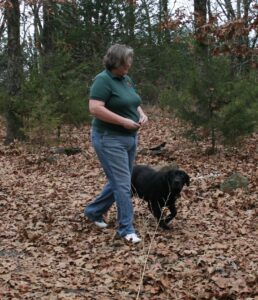
 When a dog struggles with other dogs—whether they’re uncomfortable around strangers or have tensions with a housemate—simple face-to-face meetings often backfire. Parallel walking offers a safer, lower-pressure way to help them relax, learn, and build more positive associations.
Why Parallel Walking Works
Dogs communicate heavily through body language. A head-on approach can feel confrontational, while walking side-by-side at a comfortable distance allows them to observe each other without direct social pressure.
Parallel walking:
-
Reduces triggers like hard staring or lunging.
-
Keeps the dogs engaged in a shared, neutral activity.
-
Encourages natural sniffing, walking, and exploration, which help lower stress.
How to Set It Up
-
Choose a neutral, low-distraction area – Avoid places where the dogs have strong territorial feelings or where off-leash dogs are likely to approach.
-
Have one handler per dog – Each person should be focused only on their dog.
-
Start with distance – Position the dogs far enough apart that neither is reacting. This might be 15–30 feet (or more) at first.
-
Walk in the same direction – Begin moving forward, keeping leashes loose but under control.
-
Gradually close the gap – Over multiple sessions, as both dogs stay relaxed, shorten the distance in small increments.
-
Add gentle interaction (optional) – Only after repeated calm walks should you allow brief sniffing breaks, then return to walking. Never allow on leash dogs to sniff near each other for long. Count to three, and make a happy exit back to a comfortable distance.
Tips for Success
-
Keep sessions short and positive.
-
Use calm praise and rewards for loose-leash walking and quiet behavior.
-
If either dog shows tension (stiff posture, staring, growling), increase distance immediately.
-
End on a good note, even if that means keeping them farther apart than you hoped.
Bottom line: Parallel walking is not a quick fix—it’s a relationship-building exercise. Over time, it can help dogs feel safer and more comfortable in each other’s presence, making it an invaluable tool for trainers, owners, and anyone helping dogs get along.